What Does Coffee Shop Insurance Actually Cover? A Guide for Australian Operators

Insurance Specialists | Australia
- In This Article
- The Risks That Are Specific to Coffee Shop Operations
- What Coffee Shop Insurance Typically Covers
- What Coffee Shop Insurance Doesn't Automatically Cover
- What Affects the Cost of Coffee Shop Insurance in Australia?
- Coffee Shop Insurance Across Australia
- FAQs
Most coffee shop owners think about insurance when they sign a lease — and then don’t think about it again until something goes wrong. That’s understandable. Running a coffee shop is demanding enough without spending time unpacking policy documents. But for many operators, that set-and-forget approach creates real gaps in protection that only become obvious at the worst possible time.
Coffee Shops and Cafés: Is There a Difference When It Comes to Insurance?
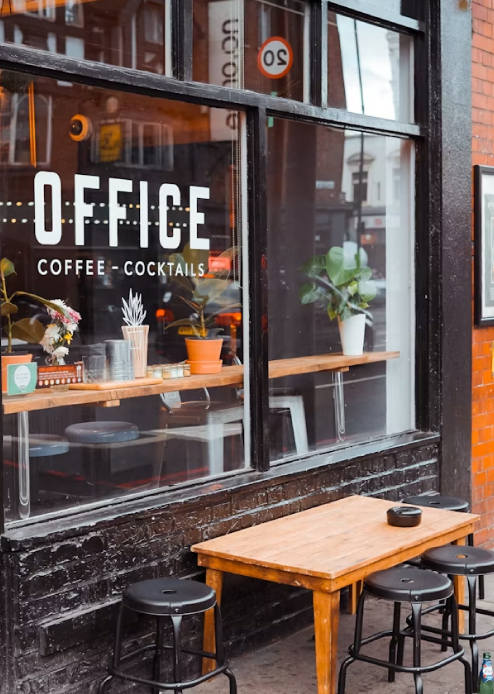
In everyday language, the terms are interchangeable — and for insurance purposes, they largely are too. Whether you describe your business as a coffee shop, café, or espresso bar, the risks you face are broadly similar: customer-facing operations, hot beverages, commercial kitchen equipment, foot traffic, and premises you almost certainly lease rather than own.
That last point matters more than many operators realise. The majority of coffee shops in Australia operate from leased premises. That means the building itself is typically the landlord’s responsibility to insure — but everything inside it, and every risk that flows from operating within it, is the tenant’s problem. Coffee shop insurance is structured around that reality.
The Risks That Are Specific to Coffee Shop Operations
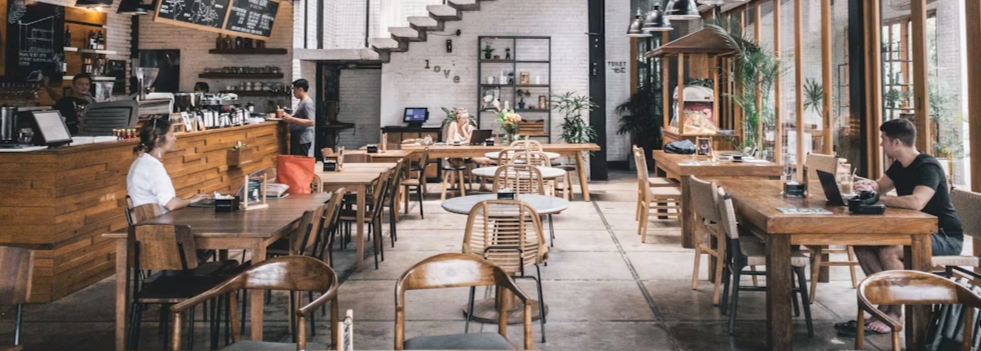
Before looking at cover types, it helps to understand why coffee shops face a different risk profile to, say, a professional office or a warehouse.
Your premises have high foot traffic, often across wet or recently mopped floors. You handle hot liquids constantly — drinks handed across a counter, carried through a crowded space, served to customers at tables. You rely on commercial equipment that’s running for hours every day, and a breakdown at 7am on a Saturday morning isn’t just inconvenient — it stops revenue cold. Your business is heavily foot-traffic dependent, which means even a short period of forced closure can have a disproportionate impact on income.
These aren’t hypothetical risks. They’re the daily operating reality of most coffee shops, and they’re why café insurance structured for hospitality-specific exposures tends to offer more relevant protection than a generic small business policy.
What Coffee Shop Insurance Typically Covers
Public liability
Is the foundation of any coffee shop insurance arrangement. It protects your business if a customer or member of the public suffers injury or property damage connected to your premises or operations. A slip on a wet floor, a burn from a hot drink, an allergic reaction to an ingredient — these are all scenarios that can generate liability claims. Given the foot traffic most coffee shops experience, this cover is non-negotiable.
Contents and equipment
Cover protects the physical assets inside your premises — your espresso machines, grinders, commercial refrigeration, point-of-sale systems, furniture, and fit-out. For coffee shops, fit-out costs are often significant. Many operators spend tens of thousands of dollars fitting out a leased space before they serve a single cup. If a fire, flood, or storm causes damage to that fit-out, the cost of replacement comes back to you as the tenant — not the building owner. Understanding how your policy treats fit-out versus standard contents is an important detail to clarify before you need to make a claim.
Equipment breakdown
Cover is worth specific attention for coffee shops. Commercial espresso machines are expensive, complex, and under constant operational stress. When one fails, the repair cost is one problem — the lost revenue while it’s out of action is another. Equipment breakdown cover can help address both, depending on policy terms.
Business interruption
Cover is one of the most valuable — and most underutilised — components of a well-structured coffee shop insurance policy. If your premises become unusable due to an insured event such as fire, storm, or serious water damage, business interruption cover is designed to help replace lost income while you’re unable to trade. For a coffee shop operating on tight margins with fixed costs like rent and wages continuing regardless of whether the doors are open, this cover can be the difference between weathering a closure and not recovering from one. A commercial building insurance policy on its own won’t address this — business interruption is typically a separate component worth discussing with a specialist.
Theft and malicious damage
Cover protects against break-ins, vandalism, and theft of cash or equipment. Hospitality premises can be a target, particularly for cash-intensive businesses operating late hours or in high-footfall retail strips.
Glass
Cover is often relevant for coffee shops operating from shopfront premises, where large windows and glass frontages are common. Glass breakage can be surprisingly costly to repair and is frequently treated as a separate coverage consideration.

What Coffee Shop Insurance Doesn't Automatically Cover
This is where many business owners get caught out. A policy that looks comprehensive on paper can still leave meaningful gaps if the details aren’t right for your operation.
General wear and tear on equipment is almost never covered — if your espresso machine fails because it hasn’t been serviced, that’s unlikely to be a claim. Flooding from a rising river or external water source is treated differently from internal water damage in most policies, and flood cover is often either excluded or subject to specific terms depending on your location. If your coffee shop serves alcohol, or operates as a hybrid venue with extended hours, your policy may need to reflect that. Stock spoilage — refrigerated goods lost during a power outage, for example — is another coverage consideration that isn’t always included by default.
Understanding exclusions is just as important as understanding what’s included. A landlord commercial building insurance policy held by your building’s owner won’t extend to cover your contents, your liability, or your income. Your insurance and your landlord’s insurance are separate arrangements covering separate things.
What Affects the Cost of Coffee Shop Insurance in Australia?
Several factors influence what you’ll pay. The size and value of your premises and fit-out matters, as does the value of your equipment and contents. Location plays a role — properties in areas with higher storm or flood risk, or higher crime rates, may attract higher premiums. Whether you employ staff, whether you serve alcohol, and the overall turnover of your business can all influence your risk profile in the eyes of an insurer.
The cheapest policy is rarely the most appropriate one. A lower premium often reflects narrower coverage, higher excesses, or exclusions that may matter significantly in a hospitality context. Reviewing property insurance for businesses with a specialist — rather than buying direct — tends to produce better-matched cover, particularly for businesses with above-average equipment values or high fit-out costs.
Coffee Shop Insurance Across Australia
Coffee shop operators across Queensland, New South Wales, and Victoria face broadly similar insurance requirements, though location-specific factors such as cyclone risk in North Queensland, bushfire exposure in regional Victoria, and hailstorm risk in certain NSW regions can affect coverage terms and premiums. If your business is in a flood-prone area — relevant in parts of QLD especially — it’s worth understanding specifically how your policy treats flood as a peril, since definitions vary between insurers.
FAQs
Is coffee shop insurance legally required in Australia?
There’s no single legal requirement covering all coffee shops uniformly, but certain elements — including workers’ compensation for businesses with employees — are mandatory. Additionally, your landlord or shopping centre management may require specific minimum levels of public liability cover as a condition of your lease.
What's the difference between café insurance and coffee shop insurance?
In practice, very little. Both terms describe insurance arrangements designed for hospitality businesses serving food and beverages to the public. The key is whether the policy reflects the actual operational risks of your business — not what it’s called.
Do I need coffee shop insurance if I lease my premises?
Yes. Leasing your premises doesn’t reduce your exposure — in many ways it increases complexity, since you need to understand what your landlord’s policy covers and what it doesn’t. Your fit-out, contents, equipment, liability, and income exposure are all your responsibility regardless of whether you own or lease the building.
Can I add business interruption cover to a coffee shop policy?
Yes, and for most operators it’s worth serious consideration. The question to discuss with a specialist is how the interruption cover is structured — specifically, what period of indemnity applies and whether the sum insured reflects your actual weekly revenue. Underinsuring business interruption is a common mistake that only becomes apparent when a claim is made.
Does the size of my coffee shop affect what insurance I need?
Yes. A single-operator takeaway kiosk has a different risk profile to a multi-staff café with a full kitchen, outdoor seating, and catering services. As your business grows — more staff, higher equipment values, expanded operations — your insurance should be reviewed to keep pace.
If you’d like to discuss the insurance requirements for your coffee shop or understand what cover is appropriate for your specific premises and operations, speak with a commercial property insurance specialist who understands the hospitality sector.