
Running a successful business today requires more than a great product or service. In an increasingly competitive and unpredictable environment, business owners must think strategically about growth, risk management, customer experience, and long-term resilience. Whether you operate a restaurant, retail store, professional service, or trade-based business, the principles of sustainability and smart decision-making remain the same. This article explores key business topics every owner should consider to build a stronger, more resilient operation—while highlighting why planning for risk, including appropriate insurance coverage, is a vital part of success.
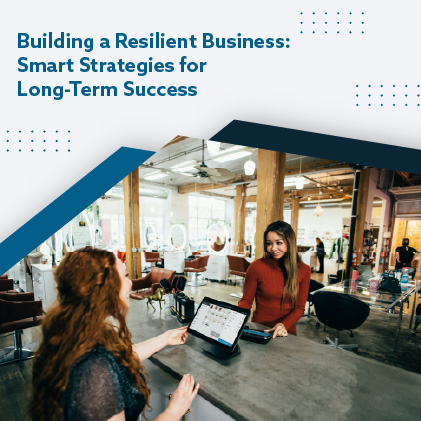
Building a Resilient Business: Smart Strategies for Long-Term Success
Strategic Planning: Setting the Foundation for Growth
Every strong business begins with a clear strategy. Strategic planning helps business owners define goals, identify opportunities, and prepare for challenges before they arise. Without direction, even profitable businesses can struggle to scale or adapt.
Effective strategic planning includes:
Defining your target market and ideal customer
- Setting short- and long-term financial goals
- Identifying competitive advantages
- Planning for operational efficiency
For hospitality businesses such as cafés and restaurants, strategy may involve location analysis, menu optimisation, staffing models, and seasonal planning. A well-documented plan not only keeps your team aligned but also provides clarity when making critical decisions under pressure.
Financial Management: Controlling Costs and Cash Flow
Cash flow management is one of the most common challenges faced by small and medium-sized businesses. Profitability on paper does not always translate to financial stability if expenses, payroll, and supplier costs are not carefully managed.
Strong financial practices include:
- Regular cash flow forecasting
- Monitoring overheads and variable costs
- Pricing products or services sustainably
- Preparing for unexpected expenses
Restaurants, in particular, face fluctuating food costs, staff turnover, and equipment maintenance expenses. Financial buffers are essential—and this is where risk management tools, such as restaurant insurance, become part of a broader financial strategy. Insurance can help protect against sudden losses caused by property damage, liability claims, or business interruption, preventing one incident from undoing years of hard work.


Risk Management: Protecting What You’ve Built
Risk is an unavoidable part of running a business. From supply chain disruptions and workplace injuries to cyber threats and property damage, modern businesses face a wide range of exposures.
Effective risk management involves:
- Identifying potential threats to operations
- Implementing preventative measures
- Training staff on safety and compliance
- Transferring risk where appropriate
For restaurants, risks can include kitchen fires, equipment breakdowns, customer injuries, food contamination, and staff accidents. Having suitable restaurant insurance in place helps manage these risks by providing financial protection and peace of mind. Coverage may include public liability, workers’ compensation, property insurance, and business interruption, allowing owners to focus on recovery rather than survival when incidents occur.
Another important consideration for business owners is reviewing their insurance coverage regularly as the business evolves. As operations expand, menus change, equipment is upgraded, or additional staff are hired, existing policies may no longer provide adequate protection. For restaurant owners, this can mean reassessing restaurant insurance to ensure coverage limits, inclusions, and exclusions still align with current risks. Regular reviews with a trusted insurance adviser help identify gaps, avoid underinsurance, and ensure the business remains protected as it grows, reducing the likelihood of unexpected financial strain.
Customer Experience: Creating Loyalty and Trust
In today’s experience-driven economy, customer perception plays a crucial role in business success. Customers are more informed, more vocal, and more willing to switch brands if expectations are not met.
Improving customer experience involves:
- Delivering consistent quality
- Providing excellent customer service
- Responding promptly to feedback
- Building trust and transparency
For hospitality businesses, customer experience extends beyond food quality to cleanliness, safety, and professionalism. A visible commitment to safety standards and responsible operations helps build trust. While customers may never see your insurance policies, knowing your business operates responsibly—including being properly insured—supports your reputation as a credible and trustworthy brand.
Staffing and Leadership: Investing in Your Team
Your employees are one of your most valuable assets. Strong leadership and positive workplace culture directly impact productivity, retention, and customer satisfaction.
Key staffing considerations include:
- Hiring for skill and attitude
- Providing ongoing training
- Ensuring workplace safety
- Supporting employee wellbeing
Restaurants often operate in fast-paced, high-pressure environments, making staff safety especially important. Clear procedures, proper equipment, and adequate insurance coverage—such as workers’ compensation—help protect both employees and employers. Businesses that invest in their people tend to experience lower turnover, better morale, and stronger performance overall.
Compliance and Legal Awareness: Staying Ahead of Obligations
Regulatory compliance is a critical but often overlooked aspect of business management. From employment law and food safety regulations to licensing and insurance requirements, staying compliant reduces the risk of fines, shutdowns, or legal disputes.
Business owners should regularly review:
- Industry-specific regulations
- Health and safety obligations
- Employment contracts and awards
- Insurance requirements
For restaurant operators, compliance extends to food handling standards, council regulations, and liability protection. Restaurant insurance plays an important role here, helping businesses meet contractual or leasing requirements and providing protection if legal claims arise.


Adaptability: Preparing for Change and Uncertainty
Recent years have shown how quickly business conditions can change. Economic shifts, consumer behaviour trends, and external disruptions can all impact operations with little warning.
Resilient businesses are adaptable. They:
- Diversify revenue streams
- Embrace digital tools and technology
- Regularly review business plans
- Prepare contingency strategies
Insurance is a key part of this preparedness. For example, business interruption cover within a restaurant insurance policy can help replace lost income if operations are temporarily halted due to insured events. This support can be critical in maintaining cash flow and covering fixed expenses during recovery periods.
Conclusion: Building a Business That Lasts
Success in business is not just about growth—it’s about sustainability, resilience, and smart planning. By focusing on strategic direction, financial management, risk mitigation, customer experience, staff wellbeing, and compliance, business owners can build operations that withstand challenges and adapt to change.
For hospitality operators, especially, protecting your investment with appropriate restaurant insurance is not just a safety net—it’s a strategic business decision. When combined with strong leadership and proactive planning, it helps ensure your business is prepared for whatever the future holds.
A resilient business is one that plans ahead, protects its assets, and positions itself for long-term success—no matter the industry.